Introduction
All of us are health-conscious in varying degrees and we recognize the importance of staying fit and healthy. However, it’s sometimes a struggle because we just can’t find the time to exercise regularly or manage a consistent health routine.
The biggest reason we struggle to maintain good health is the massive amount of advice from health experts (often contradictory) and the countless diets, health programs, and health products, all claiming to keep us in peak health. The sheer amount of information is just too confusing and overwhelming for many people. This causes them to associate good health with a time-consuming uphill struggle.
It’s simpler than you think!
Getting healthy and staying healthy is much simpler than you imagine. It’s not about diets, supplements, exercise programs, or ‘revolutionary’ health-boosting tips. Forget about them. It’s fine to diet occasionally to shed a few pounds or change your exercise routines but none of these things is lasting or health-transforming.
Great health begins with habits. When you develop a habit through consistent practice, you start doing it naturally and automatically, day in, day out. This consistency is what impacts health. Habits create real and lasting change from the inside out.
This book will present you with 7 of these habits that will change you and boost your health from the inside out. Don’t be skeptical because they seem too easy and simple to be effective. Their power lies in this simplicity. You’ll easily be able to practice them every day until they come naturally to you, while steadily boosting your health and keeping you feeling fit and looking great for the rest of your life.
The 7 Transformative Health Habits
Let’s jump right in with these super-simple practices that you can practice each day. You don’t need to schedule time for them, you don’t need any special equipment and they don’t cost anything. All you need to do is commit to start practicing them today.
Habit #1: Good Sleep Hygiene
Sleep hygiene is the clinical term that refers to sleep habits and practices. It includes sleeping and waking times, bedroom environment, and pre-bed routines. Just like physical hygiene, sleep hygiene can be good or poor.
It’s so easy to develop good sleep hygiene and make it a habit. What’s more, you’ll be surprised at how quickly it starts to take effect on your health. You’ll notice a difference in just a few days. You need to develop good sleep hygiene in the three following areas.
1. Bedroom environment
Look around your bedroom to assess whether it’s tidy, relaxing, and conducive to quality sleep. Make sure you check the following:
Mattress and pillows. Make sure they’re firm, clean, and not sagging.
Bed covers should be lightweight and suitable for the weather.
Bed linen should preferably be 100% cotton and always clean, crisp, and smelling fresh.
Your bedroom should be tidy and dust-free.
Make sure the room is well-ventilated.
The temperature should always be on the cooler side even in winter as this promotes better sleep.
The room should be clear of routers and digital screens.
2. Sleeping and waking hours
First and foremost, you need to get between 7-9 hours of sleep every night. This is true for everyone although it varies. 7 hours are sufficient for some people whereas most people need 8 hours and others require that extra hour to wake up fully refreshed. Moreover, going to bed and waking up at the same hours every day is vital for regulating your body’s inner clock and helping you to fall asleep faster and wake up more refreshed.
3. Pre – bedtime routine
A word of warning: this doesn’t include watching TV or playing video games! Start your pre-bed routine an hour before your bedtime to help your mind prepare your body for sleep. This would include showering, brushing teeth, changing into sleepwear, and having a light snack or beverage.
This can be followed by a relaxing activity like listening to music, meditating, or reading in bed. Avoid digital screens that emit blue light and overstimulate the brain, making it difficult for you to feel drowsy and relaxed.
How it changes your health from the inside out
These few simple changes will enable you to reap the following benefits:
Deep sleep balances blood sugar levels, decreasing your risk of contracting diabetes.
Deep sleep promotes heart health and regulates blood circulation guarding you against heart and arterial disease.
Going to bed at regular hours balances your circadian rhythm and creates a cycle of consistent sleeping and waking hours – which in turn keeps all your body functions working at their peak.
Quality sleep is a huge immune system booster, helping your body fight inflammation and destroy disease-causing antigens.
Deep, relaxing rest busts stress as nothing else can. You wake up refreshed, positive, and filled with optimism and energy.
Brain health is also improved with quality sleep. This includes improved focus alertness and memory.
Studies suggest that good sleep can help you lose weight by boosting and regulating your metabolism.
Good sleep is a recipe for overall great health. This one habit alone can drastically transform your health for the better and even add years to your life.
Habit #2: Enjoy Rainbow Meals
Let’s face it. While most of us like certain fruits and vegetables, these two food groups aren’t always top of the list in our diets. We associate them with blandness or think of them as ‘rabbit food’. And let’s not forget Mom’s tone of voice and the “eat your spinach” mandate! Embracing the practice of rainbow meals can change this perception while adding loads of variety to your diet, another thing that we often neglect.
A rainbow-colored meal refers specifically to fruits and vegetables. The idea is to make sure you eat an array of these foods in different colors at every meal (at the very least, three different colors). The 5 color groups are:
Green (e.g., lettuce, spinach, green apples).
Orange (e.g., carrots, oranges, apricots).
Purple (e.g., plums, eggplant, purple cabbage).
Yellow (e.g., corn, squash, grapefruit).
White (e.g., bananas, guava, potatoes).
We know that fruits and vegetables are the most nutritionally dense foods you can eat. A rainbow meal that contains one or two fruits or vegetables from each color group packs a massive nutritional punch because you’re giving your body the full range of essential vitamins, minerals, antioxidants, and other substances essential for robust health.
The colors of fruits and vegetables indicate the nutrient they’re rich in and the deeper the color, the more concentrated that particular nutrient is. For example, both tomatoes and cherries contain powerful cancer preventing antioxidants but dark red tomatoes and black cherries have a much higher concentration.
How it changes your health from the inside out
After just a couple of weeks of consistently eating a rainbow diet, you’ll start feeling more energizing. You’ll catch fewer colds and coughs, sleep better, and have regular bowel movements. Here are some of the other benefits you’ll enjoy:
A rainbow diet will supercharge your immune system. Wounds and scratches will heal faster, colds and coughs will no longer linger for ages and you’ll be less likely to suffer from inflammations.
Your energy levels will skyrocket and midday fatigue and brain fog will become a thing of the past.
You won’t need to take supplements because a rainbow diet will provide you with the daily recommended dose of all the essential nutrients that you need.
A rainbow diet helps you avoid weight gain just because most fruits and vegetables are low in calories and you can fill up on them guilt-free.
Studies have shown that red fruits and vegetables are packed with potent antioxidants that have been proven to prevent some types of cancer.
If you eat other foods in moderation, rainbow meals can dramatically boost your health and keep you disease-free and help you live a long, active life. So, start thinking ‘rainbow’ with your very next meal! Prepare a delicious rainbow-colored salad with a tasty dressing or fruit cocktail topped with nuts and enjoy!

Fruits and vegetables are so varied and versatile that you can experiment with different combinations to your heart’s content and create a new rainbow meal every day. This is one health habit you’ll certainly have no trouble adopting for life!
Habit #3: Spending Time Outdoors
A recent study made this staggering finding: The average adult spends 93% of his or her lifetime indoors! This figure is probably due to the fact that people’s lifestyles are becoming increasingly sedentary. It’s hard to wrap your head around it – we’re only spending 7% of our whole lives in the natural environment!
A sedentary lifestyle doesn’t just mean that we’re less active. It also means that we spend most of our time indoors. We spend our days cooped up in poorly ventilated offices under artificial lighting. We spend hours sitting in front of our TV and computer screens, exposing ourselves to dangerously high amounts of blue light. We often prefer to stay indoors on weekends to rest after a hectic workweek. Our social and leisure activities usually involve driving somewhere and spending more time indoors.
This is a real pity because fresh air, sunlight, and Mother Nature are some of the most powerful healers and health-boosters in the world.
Spending time outdoors is still one of the few rare activities that cost nothing. Having no time isn’t an excuse either because we waste loads of time on empty distractions and activities that can better be invested outdoors.
Here are some suggestions to consider:-
Walk to a nearby park on your lunch break and enjoy your meal there.
Have lunch or breakfast at an outdoor restaurant.
Organize family picnics and barbecues on weekends.
Work outdoors whenever you can.
Practice stargazing from your backyard or balcony on clear nights.
Don’t let cold weather faze you. Bundle up and go for a brisk (and awesomely refreshing) 5-minute walk.
Combine exercise with the great outdoors by cycling, hiking, swimming, or running rather than going to the gym.
When it’s raining or snowing too hard to go out, simply sit at an open window and breathe deeply for 5 minutes.
How it transforms your health from the inside out
You feel happier! Research tells us that people who spend more time outdoors are happier. While no conclusive reasons for this are known, it’s believed that fresh air and sunlight boost the production of feel-good hormones that foster inner peace and balance mood, making you feel more optimistic. Naturally, this improves overall health and well-being.
Research has also found that spending time outdoors reduces inflammation and decreases the risk of inflammatory diseases.
Sunlight is the best natural source of vitamin D, which is essential for bone strength, strong immunity, and healthier skin. People who get more exposure to sunlight are less likely to suffer from colds and flu or develop osteoporosis. Note: don’t be fooled by cloudy days. You can still get enough sunlight exposure by spending time outdoors.
Outdoor exercise like walking or cycling can give you the same benefits as an indoor workout, plus the added benefit of exposure to the sun and fresh air.
Spending time outdoors has been proven to improve cognitive function, especially memory.
It’s not hard to see how outdoor time can decrease stress. Less stress means your body doesn’t have to work overtime to regulate stress hormone levels and therefore, your entire body functions more optimally.
Just 5-10 minutes spent outdoors each day will put all these powerful benefits into effect. Even on workdays, just parking further away from the office and walking to your car can count. It’s also easy to plan outings and other outdoor activities on weekends. Whatever your routine is, making time to spend outdoors should become your new priority and over time, a lifelong habit.
Habit #4: Switch to Whole Grain
Grains are essential for a healthy diet. They contain fiber which helps us stay full, gives us energy, and keeps our digestive system strong and healthy. Grains also contain a many essential nutrients that guard against disease and keep our body functioning at its peak.
Not all grains are created equal. There’s a world of difference between whole grains and refined grains. Switching to whole grains can also mean a big switch for the better in your overall health. Whole grains, as the name implies, are not processed nor refined. They contain the whole kernel and the fibrous outer shell. Refined grains, on the other hand, are milled and therefore, contain less fiber, protein, and essential nutrients.
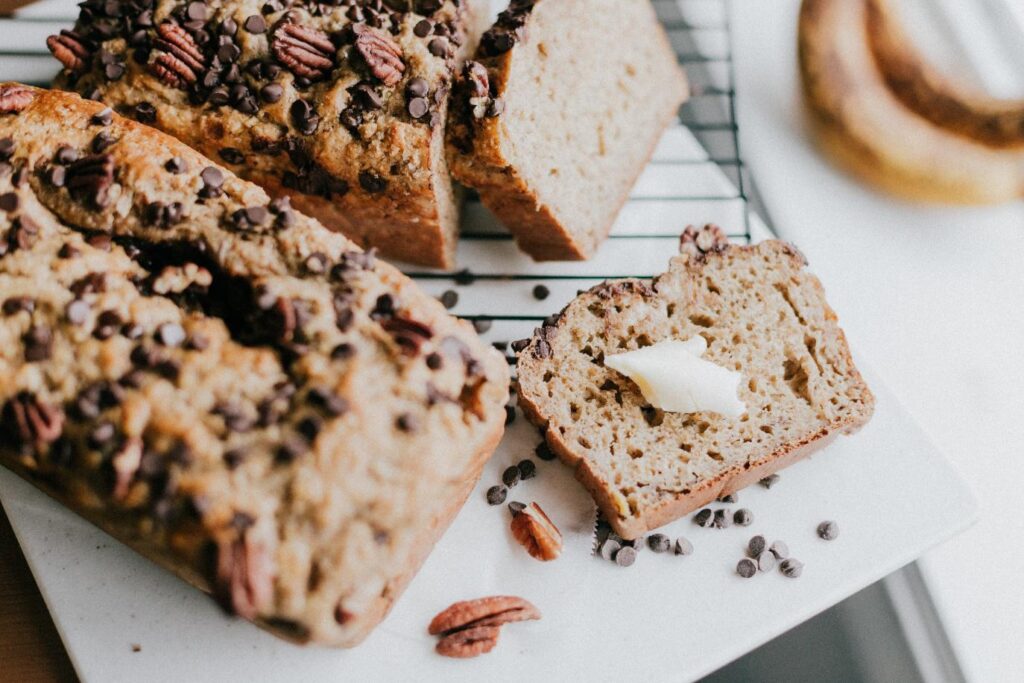
Not too long ago, it was only possible to find whole grains at health food stores and they were typically more expensive than refined grains. Today, the average supermarket will usually have a whole aisle or two dedicated specifically to whole grain products. Plus, the difference in cost between these and refined grains is marginal – but worth the investment.
Manufacturers have caught on to the growing popularity of whole grains and have gone out of their way to offer a wide range of products and alternatives to refined grains. Today, whole grain pasta, waffles, pizza dough, and even muffins are available at most grocery stores and supermarkets. This is in addition to classic whole-grain products that include:
Whole wheat bread
Oats
Brown rice
Quinoa
Corn
Rye
Buckwheat
Barley
Bulgar
How it changes you from the inside out
Some of the powerful nutrients in whole grains include vitamin B, zinc, iron, copper, antioxidants, and healthy fats. The health benefits include:
Whole grains promote long-term digestive health due to their high fiber content.
They regulate blood pressure and maintain it at healthy levels. This lowers the risk of stroke and arterial disease.
They promote heart health as they contain natural healthy fats.
They’re excellent for skin health.
They help maintain weight and regulate metabolism.
They improve energy levels and mental clarity.
They lower the risk of type 2 diabetes.
They reduce inflammation.
They can protect against some types of cancers.
A recent government recommendation states that adults should eat 3-5 servings of whole grains per day to enjoy the full range of health benefits. So, start replacing your current refined grain foods with healthier whole-grain alternatives. You can do this in one go or by gradually replacing two or three foods at a time.
Some people report that the taste and texture are slightly different but not unpalatable. Your taste buds will adapt to the taste as you move forward. Many restaurants now offer whole-grain versions of dishes as well, so this is something to consider when eating out.
As you grow your whole-grain habit, processed grains should become a very rare part of your diet. You’ll become motivated to make sure that happens when you notice the improvement in your overall health.
This habit could be a challenging one to develop. If you’re like most of us, your typical day is rushed and hectic, with just not enough time to get all you need to do. Therefore, our mealtime routine revolves around three things: grabbing meals on the go, skipping meals, and not eating at regular times.
Unfortunately, mealtimes come way down on our list of health priorities because this is a habit that takes its toll on our health. Irregular mealtimes create a yo-yo effect in our system where it’s impossible for the body functions to remain steady and balanced. This is especially true for blood sugar levels and our metabolism.
Allowing hunger to reach extreme levels is also a big health-sapper and can cause chronic problems in the long term. More importantly, if you’re struggling with your weight, irregular mealtimes can make it a losing battle because you tend to overeat or even binge after skipping meals.
Structuring your mealtimes creates a regular cycle that your body will thank you for. You’ll thank yourself when you start to feel the benefits very soon after putting your new routine in place.
How to structure your mealtimes
• Never skip breakfast
Eating breakfast is like filling up your car tank for a long road trip. Breakfast fuels your body for the long day ahead and keeps your energy levels high for longer periods. It’s also a great way to supercharge your metabolism after a night’s rest and kick start your digestion.
Always make time for breakfast even if it means getting up half an hour earlier in the morning. When you notice the difference in your energy levels, you’ll make this a priority.
• Eat a big breakfast.
Remember, you need to fill up that tank to keep you going strong! So, not only should you not skip breakfast but you shouldn’t skimp on breakfast. The bigger and heartier, the better. This means toast, eggs, bacon or sausages, a big glass of juice – the works!
Health experts have been hailing the benefits of a big breakfast for years. Some are even saying it should be the biggest meal of the day. Your body will burn the calories you eat faster while fueling your mental and physical stamina.
Eating a hearty breakfast can help you lose weight because you feel less hungry between meals but also eat less at meals. So, don’t worry about packing the pounds. A big breakfast will help you maintain a healthy body weight and even shed a few pounds as well.
• Structure your mealtimes
Creating regular mealtimes isn’t as hard as you think. Perhaps you just never bothered before. It can be done with a little bit of clever time management and making mealtimes a priority.
Always think of mealtimes as a top health priority and structure your day so that you’re eating breakfast, lunch, and dinner at the same times each day. Don’t take on commitments that will cause you to miss mealtimes or worse, skip meals altogether.
Even at the office on a busy day, never skip or delay your lunchtime, even if it means eating at your desk. The key is to keep your mealtimes fixed to allow your body to start its regular, health-boosting cycle.
• Structure snack times
Rather than mindless snacking throughout the day, divide your snacks into two or three and enjoy them at the same time as well. When you structure your mealtimes, you may find that you snack leas as well because you stay fuller throughout the day. You can then cut down on the number of times you snack or even eliminate snacking altogether. Considering what you usually snack on, this will be in your favor.
How it changes your health from the inside out
Regular mealtimes dramatically improve digestion.
They balance blood sugar levels, putting you at less risk of diabetes.
They keep your stress levels down.
They eliminate fatigue, energy crashes and brain fog, and foster brain health.
They regulate metabolism.
They regulate the circadian rhythm.
They balance the whole body and improve mood.
Structuring your mealtimes can bring more stability and structure to your whole life and help you wind down and relax. Not only will this habit change your health from the inside out, but it can also actually foster family bonding when the family gathers for meals.
Habit #6: Make Water Your Best Friend
Among all the beverages in the world, the one that Mother Nature gave us is the healthiest by far. The combined health benefits of water are so numerous, that it wouldn’t be an exaggeration to call water the elixir of life. That’s why this habit alone can transform your life.
You’re probably thinking, “Yeah, yeah, everybody knows that drinking plenty of water is important. But who remembers to drink 8 glasses a day?” Well, you will when you learn to make water your best friend. When you read how transformative this one habit is, water will indeed become your best buddy!
It’s simple. All you need to do is start drinking water like it’s going to disappear tomorrow. When you consider that the adult human body consists of 60% water, it’s not hard to see why you need to be drinking more of it to replenish body fluids and stay hydrated.
There’s no agreed-upon quantity that you should drink in a day, but most health experts recommend at least 8 glasses. Start growing the habit by setting your phone alert to remind you to drink a big glass of water every hour or so. It’s as simple as that. Give yourself a week or two and you’ll start drinking those 8 glasses automatically.
How it transforms your health from the inside out:
It energizes the muscles and keeps them supple.
It flushes out toxins and harmful substances.
It keeps the joints lubricated, minimizing the risk of joint inflammation, arthritis, and cartilage deterioration.
It prevents premature aging and keeps skin supple and toned.
It regulates blood pressure.
It promotes the health of the airways.
It allows minerals and other nutrients to be more effectively absorbed.
It prevents kidney damage.
It improves circulation and blood flow to the brain.
It keeps body fluids replenished.
A cool glass of water is always refreshing but you can try adding a few drops of lemon or a couple of mint leaves for a super refreshing pick-me-up. There are lots of ways you can enjoy water. You can chill or add ice cubes on hot days, or even drink it warm on the cold days (this is also great for relieving constipation). Carbonated water, mineral water, or plain tap water – whatever your preference, this habit allows you to reap all these awesome benefits in no time.
Habit #7: Stay Active
.
Let’s go back for a moment to that statistic about people spending 97% of their lifetime indoors. They’re not spending that time playing sports or jogging. They’re more likely to sit in front of a TV or computer. So, in addition to keeping us indoors more, our sedentary lifestyle has made us more inactive.
There’s a difference between staying active and exercising, and this is intentional here. Exercise is a huge topic and just too broad to do justice to here. Naturally, it would be ideal to have a consistent exercise routine but whether you do or not, you need to find ways to stay active throughout your day.
Here are some great tips that can serve as ‘mini-workouts’ during your typical day:
Park farther away from your destination and walk.
Always take the stairs rather than the elevator.
Get up every hour and run in place for 5 minutes.
Carry shopping bags to your car rather than using a trolley.
Help someone carry a heavy load.
Throw a couple of things on the floor in each corner of the room and bend down to pick them up.
Go for a brisk walk around the block on your coffee break.
Take a break from work and do 20 push ups or sit-ups.
Always walk briskly with your back straight.
Walk or cycle short distances rather than drive.
Walk your dog!
Rather than watching TV, schedule one or two evenings a week to put on a favorite tune and dance.
Place items you use often in high or low places so that you must reach up or bend to get them.
When doing housework, do things more vigorously, such as using fast, circular arm movements to wipe down worktops or bending low to get into corners and crannies.
How it changes your health from the inside out
We all know the benefits of exercising and staying active: improved cardiovascular health, strong immunity, better blood circulation, and all the rest. However, here are some additional surprising benefits of staying active:
It improves brain health and overall cognitive function and minimizes the risks of Alzheimer’s.
It releases feel-good hormones that balance the mood and make you feel happy.
It relieves tension and helps you make better decisions and choices.
It slows down the aging process.
It gives you glowing, healthy-looking skin.
It helps prevent cancer.
It speeds up the body’s natural healing process.
Use these tips as often as you can and constantly stay on the lookout for more ways to get up and move during your day. As you get the hang of it, you’ll find yourself being much more active and feeling much better for it.
Conclusion
Each of these habits on its own will transform your health from the inside out. What’s more, the change will be lasting if you continue to practice them. Imagine what these 7 habits combined can do. They’ll turn you into a powerhouse of robust health, nonstop energy, and radiant looks. To top it off, they’ll help you live a longer, more active, disease-free life.
Start with one habit at a time and practice it diligently every day. You may notice an immediate improvement with some of them while others take more time. Science tells us that it takes 20-30 days for a new behavior to become a habit so be patient and stick to it. However, you can start developing two or three of these habits at the same time as well if you don’t think it will be too overwhelming for you.
Finally, remember these two words: patience and practice. Just like old habits die hard, new habits need time to grow and become hardwired into your brain – but ultimately, the transformation will happen. You’ll look and feel like a completely new person. It’s worth the effort!