Ayurveda for Health & Wellness

ayurveda header image

Ayurvedic Medicine has supported the health of millions of people for centuries. Ayurveda is a health and wellness protocol. Through generations of documented study, Ayurvedic practitioners have observed cause and effect in human health.

A basic premise is that every person is different, so what causes a particular response in one, may not in another.  

AYURVEDA

For Health and Wellness

Disclaimer
Introduction
Ayurveda for Constipation
The Negative Effects of Constipation 
Prevention is the Best Cure 
Treat and Prevent Constipation with These Ayurvedic Herbs 
Flaxseed 
Triphala 
Psyllium 
Use Herbs with Caution 
Ayurveda for Coughs and Colds 
Take Astragalus Extract 
Eat Light, Clear Foods 
Take Ginger Tea 
Gargle with Salt Water 
Drink Hot Water 
Take Clove Tea 
Ayurveda for Digestion 
The Four Ayurvedic Digestive Types 
1. Irregular Digestion (VISHAM AGNI) 
2. Sharp Digestion (TIKSHNA AGNI) 
3. Slow digestion (MANDA AGNI) 
4. Balanced digestion (SAMA AGNI) 
Optimize Your Digestive System with These Spices 

Ayurveda for Hair Loss
Dietary Effects
Balance Your Pitta Dosha
Herbs to Treat Hair Loss
Eclipta prostrata
Indian Gooseberry
Centella asiatica
Neem
Ayurveda for Healthy Joints
1. Joint Pain Caused by Poor Nutrition
2. Joint Problems Caused by Accumulation of Toxins
Excess Vata
Excess Pitta
Excess Kapha
Ama in the Joints
Joint Problems from Vata Imbalance
Lifestyle Tips for Joint Pain Relief Caused by Vata Excess
Ayurveda for Healthy Skin
Three Different Types of Skin
Vata Skin
Pitta Skin
Kapha Skin
Skin Care Tips for Your Type of Skin
Kapha Skin Care
Vata Skin Care
Pitta Skin Care
Important Tips for All Skin Types
Conclusion

Disclaimer

We hope you enjoy reading this publication, however we do suggest you read our disclaimer. All the material written in this document is provided for informational purposes only and is general in nature.

Every person is a unique individual and what has worked for some or even many may not work for you. Any information perceived as advice by must be considered in light of your own particular set of circumstances.

The author or person sharing this information does not assume any responsibility for the accuracy or outcome of your use of the content.

Every attempt has been made to provide well researched and up to date content at the time of writing. Now all the legalities have been taken care of, please enjoy the content.

Introduction

Ayurvedic Medicine has supported the health of millions of people for centuries. Ayurveda is a health and wellness protocol. Through generations of documented study, Ayurvedic practitioners have observed cause and effect in human health.

A basic premise is that every person is different, so what causes a particular response in one, may not in another. The same foods, environments, stressors and other inputs can cause widely different effects in different people.

However, within groupings, called doshas, and sub-groupings, similarities occur. As a health protocol, much of Ayurvedic Medicine focuses on determining the dominant dosha of each person – a fairly simple technique.

Once that is known, the subject can be told (or learn themselves, through their own research) about the ascribed features, attributes and expressions of their dosha.

From there, they will learn what foods and environmental factors they should seek more of, and what they should avoid. The whole basis is that of seeking balance, as an excess of any dosha will cause an imbalance, which is the root of disease and ill-health.

From an Ayurvedic viewpoint, restoring balance is the starting point to health and wellness. This eBook, in some depth, discusses some common afflictions that have been addressed by Ayurvedic Medicine.

It provides an understanding as to why certain aspects of ill-health affect some more than others, what causes them, and how they can be overcome, often mainly by dietary means.

Ayurveda for Constipation

In Ayurveda, constipation is believed to be caused by an elevated Vata dosha. Vata is characterized by the element of air, which has a drying influence. Dry skin, hair and yes, even stools, are the bane of those of the Vata dosha.Taking positive steps to ensure hydration is an essential part of maintaining balance for those of this dosha.

dry image

If you are predominantly Vata in constitution, you are prone to experiencing constipation. An imbalanced Vata dries out your system thus hampering the flow of waste down and out of your body. Many Vata deal with constipation on a regular basis.

However, even if your primary dosha is not Vata, you can still be affected by an imbalanced Vata. Those who have Kapha and Pitta dominant constitutions may also suffer from constipation, especially if they’ve recently undergone surgery, travel or become dehydrated for some reason.

Constipation is one of the telltale signs of a Vata imbalance. If the colon is excessively dry it will not be able to perform as it should. This results in constipation, bloating and/or gas.

You may find the following Ayurveda constipation remedies and tips to prevent constipation, extremely helpful.

The Negative Effects of Constipation

For good health, the colon must be in good health regardless of the season. There is an old joke about which part of the body rules, but it is no joke when the colon doesn’t function properly – the whole body suffers.

Constipation must be avoided, as this can significantly affect not just the colon, but overall health as well. It is crucial for the body to be able to eliminate waste on a regular basis. When toxins accumulate, the body is poisoned, as these toxins enter the bloodstream. Eventually, these toxins will then affect your organs and tissues.

If constipation is left untreated it can lead to hemorrhoids, fecal incontinence and anal fissures. Unfortunately, these painful problems are often the visible signs of even more serious disease, or a precursor to it.

Prevention is the Best Cure –

Using purgatives on a regular basis is not a good treatment practice, and can ultimately cause your body harm. Be mindful of what you are eating. We know that an imbalanced or excess Vata causes or exacerbates constipation.

To rebalance our Vata and allow our body to treat itself naturally, Ayurvedic theory tells us to choose foods that have oily, warm, smooth and moist qualities. These foods naturally hydrate the whole body system. Eat at regular times in a relaxed environment. Drink plenty of water, ideally at room temperature rather than refrigerated.

Avoid pungent, bitter and astringent foods, which have a desiccating effect – the opposite of what is needed. Steer clear of processed foods that do not contain

any nutrients. Reduce coffee consumption, it is a diuretic. Any sweet tastes should come from natural, whole food; avoid processed sugar and artificial sweeteners.

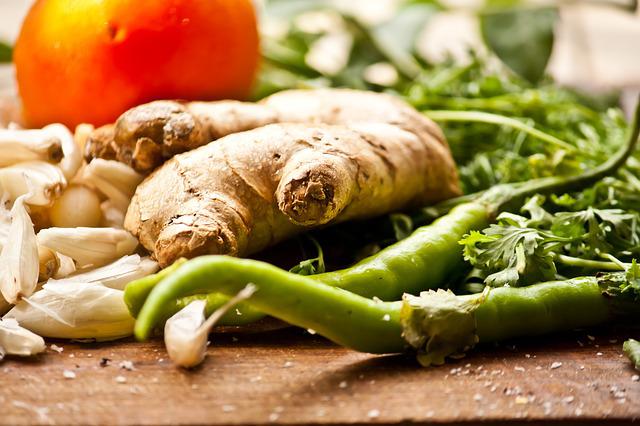
Good foods include root vegetables, nuts, squash, zucchini, corn, banana, ginger and garlic. Avoid over-consumption of those foods which exacerbate Vata, such as dried fruit, onions, radishes, chilies, soybeans, broccoli and cauliflower.

healthy root veg image

Treat and Prevent Constipation with These Ayurvedic Herbs

These Ayurvedic herbs have proven effective in flushing out the colon and for improved bowel movement.

Flaxseed

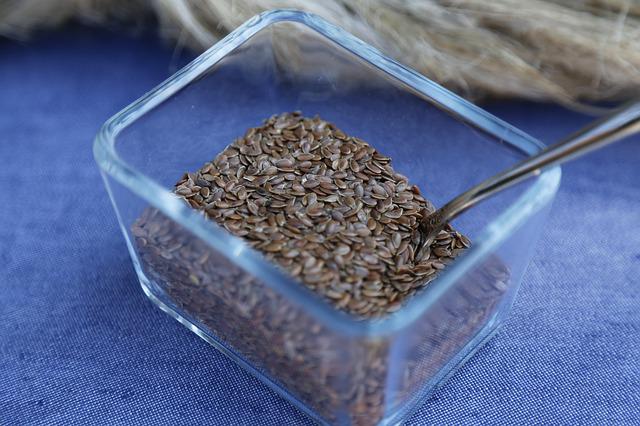
Flaxseeds are natural laxatives. You can take them three times a day without side effects. Take one tablespoon with two cups of water.

healthy flaxseed image

Triphala

This herb functions as a laxative and a tonic. It is recommended that triphala be taken upon waking up and before going to bed. Steep one or half a teaspoon of this herb in a cup filled with hot water for five to ten minutes. If you don’t like the taste, take 2 triphala capsules with warm water.
Psyllium

These seed husks are highly absorbent and fibrous, making them a great colon cleaner. Take one or two teaspoons of this herb with warm water daily.


Use Herbs with Caution

Not all herbs for constipation relief are safe to take on a regular basis. Herbs like rhubarb, senna and cascara can be prescribed for constipation. However, they can have a very strong laxative effect, which can also add to dehydration problems.

Long term or regular intake of these herbs may lead to cramping and water diarrhea. It may also increase the likelihood of becoming dependent upon these laxatives.

Consider laxative herbs an adjunct to eating those foods that conform to Ayurvedic principles, rather than an acute ‘medicine’ to repair poor dietary and lifestyle choices.


Ayurveda for Coughs and Colds

Coughs and colds can almost be expected when the Kapha dosha is aggravated. An imbalance of Kapha will result in an excessive production of mucus, with a high chance of it affecting components of the respiratory organs such as the sinuses, throat and nose.

This excess mucus creates an environment ideal for the growth of viruses and bacteria, paving the way for infection. Persistent rainy weather, ingesting cold water and cold food can aggravate Kapha Dosha. Other lifestyle habits that aggravate Kapha are excessive sleeping during daytime, frequent traveling and living in dusty or polluted areas.

illness image

The good thing is that you do not have to rely on pills and medicines to feel relief from the symptoms of coughs and colds. Below are some of the Ayurvedic methods to get rid of aggravating symptoms.

Take Astragalus Extract

Astragalus works wonders in boosting natural immunity. In a study published in the journal Phytotherapy Research, it was documented that astragalus extract is capable of activating the body’s immune cells within twenty four hours.
Taking astragalus extract at vulnerable times boosts your immune system to help you fight against coughs and colds.

Eat Light, Clear Foods 

healthy salad image

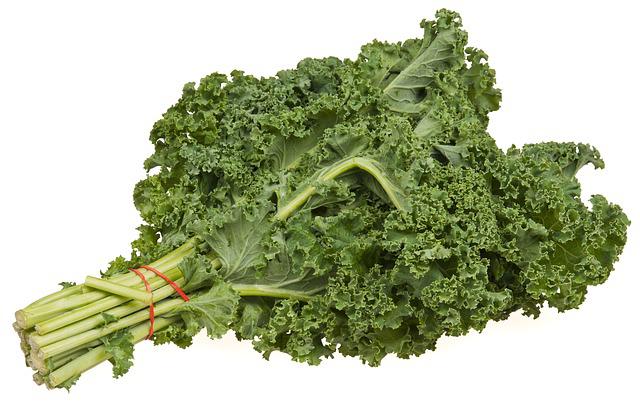
Warm water, teas and broths are examples of foods that you should be consuming to help your body fight colds. It is also good to eat kale, bok choy and leeks. These vegetables become translucent when they’re thoroughly cooked.

Avoid foods that are heavy, thick and dense. These are harder to digest, which is something the slower metabolism of the Kapha dosha does not need. Other foods to avoid, for the same reason, are sugar-laden breads, cold and frozen foods, and dry and raw foods.

Take Ginger Tea

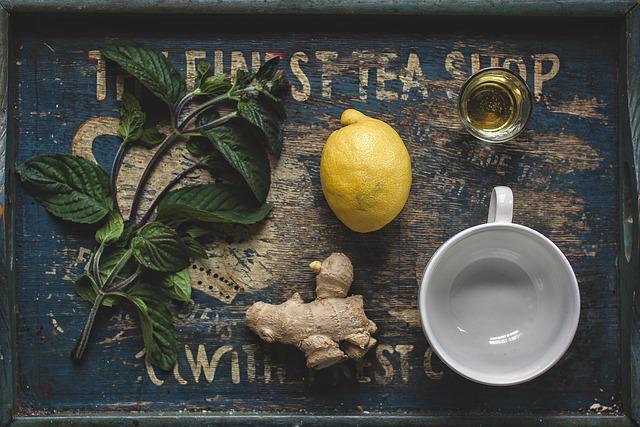
Ginger is a common go-to herb in Ayurvedic medicine for relieving the symptoms of vomiting and nausea. It has also proven effective as a cold remedy. The pungent nature of ginger is beneficial for reducing the Kapha dosha, whose imbalance leads to the excessive production of mucus.

healthy tea image

Thus, the balancing properties of ginger will help relieve coughs and colds. However, if you are taking anticoagulant pills like aspirin or warfarin, you should not take ginger, becauseit also acts as a blood thinner. If on any like medications, consult your physician before taking any ginger remedies.

Gargle with Salt Water

Gargling with salt water is an effective way of reducing populations of fungi and bacteria that are present in your throat. It also temporarily relieves sore and itchy throat. To do this, mix one-half teaspoon of salt with one cup of warm water.

Drink Hot Water

Drinking hot water helps flush out the toxins from your body while also keeping you well-hydrated.  It also helps mobilize congestion. Hot water hydrates and excites your mucus membranes, to loosen congestion and make it easier for you to expel it. At the earliest sign of a cold, start sipping hot water right away.

Take Clove Tea

Clove tea is a flavorful beverage that works efficiently in treating coughs and the common cold. The active properties in cloves act as expectorants. They are also an antibacterial, anti-inflammatory and antiviral herb.

Instead of making a tea, you can choose to suck three clove buds at the same time.  Do this until the cloves no longer have any flavor. You can do this as often as you want.

Ayurveda for Digestion

Every person’s uniqueness is not only expressed in outward appearance. It can also be felt from deep within. Since each of us varies in bodily chemical composition, the same thing can also be said of our digestive type.

Knowing our individual digestive type will help us determine what foods benefit our health, and those that do not, and which may even negatively affect our wellbeing.

The Four Ayurvedic Digestive Types:-

1. Irregular Digestion (VISHAM AGNI)

This type of digestive system is very unpredictable. There are times when you feel completely satisfied after a meal and you don’t experience any digestive problems. There are also times when after eating you feel so bloated you find it hard to concentrate on your tasks.

This kind of digestive system is associated with Vata or the wind dosha. The unpredictability of the wind element affects this digestive system. Visham Agni is prone to experiencing bloating, gas and constipation. However, there are also times when their bowl movements are loose.

If you think you have this kind of digestive system a Vata pacifying diet will work best for you. It is highly advisable to stick to grounding and warming foods. These foods include root vegetables and healthy sources of fats. Cold and raw foods such as salads and smoothies are best avoided.

2. Sharp Digestion (TIKSHNA AGNI)

With this kind of digestive system, your digestive fire is one that burns very brightly. You may often find yourself running to the toilet after every meal. This usually occurs after you eat onions, spices, garlic and nightshades. The internal flame for this kind of digestive system is too strong, so strong that it has a tendency to secrete excessive amounts of stomach acid. In turn, the person is at risk of suffering from heartburn, ulcer and hyperacidity.

A sharp digestive system is associated with Pitta which is a fire dosha. This increases the tendency to feel irritable if you don’t get to eat on time. Aside from heartburns and hyperacidity, you are also more likely to experience loose stools.

To balance this, and any other negative effects of an excess Pitta dosha, it is best that you adhere to a Pitta pacifying diet. Eat more of those foods that have hydrating and cooling properties.

healthy vegan image

Perfect examples of these are juicy fruits, green leafy vegetables and cleansing herbs. Avoid eating spicy and pungent tasting foods. Eat garlic, onion and cayenne sparingly because these will only further ignite your inner digestive fire.

 3. Slow digestion (MANDA AGNI)

This digestive system is generally sluggish. After eating a meal, you will find yourself still feeling full even after six hours or more. Does this mean you have a healthy weight since you are not prone to eat frequently? Unfortunately, no.

People with this kind of digestive system are mostly carrying more weight than they would like, or than is healthy. They keep on gaining weight even though they are not eating that much. After eating a large meal, you may feel sleepy and then doze off.

This kind of digestive system is associated with having excessive amounts of Kapha, which is a water dosha. You feel heavy and dense. People with a sluggish

digestive system are more likely to experience having sticky stool and low appetite.

It is best to follow the Kapha pacifying diet if you have this kind of digestive system. Eat non-starchy vegetables that are steamed and add different kinds of spices. Stay away from sugar, fried foods and dairy. Since you have a slow digestion, avoid eating large amounts of protein.

4. Balanced digestion (SAMA AGNI)

Having this kind of digestion means you don’t have any digestive issues at all. Wow! You can eat your meals without having to worry about experiencing bloating, gas or hyperacidity later. You regularly have one or two bowel movements in a day. You don’t experience constipation or loose stools.

People with this kind of digestive system have shiny eyes, radiant skin and are energetic. Maintain this kind of digestive health by following the proper diet recommended for each season.

In summer, consume Pitta pacifying foods. If it is Winter and Spring, eat more Kapha pacifying foods. If it is Fall season, stick to foods that are good for Vata dosha.

Optimize Your Digestive System with These Spices

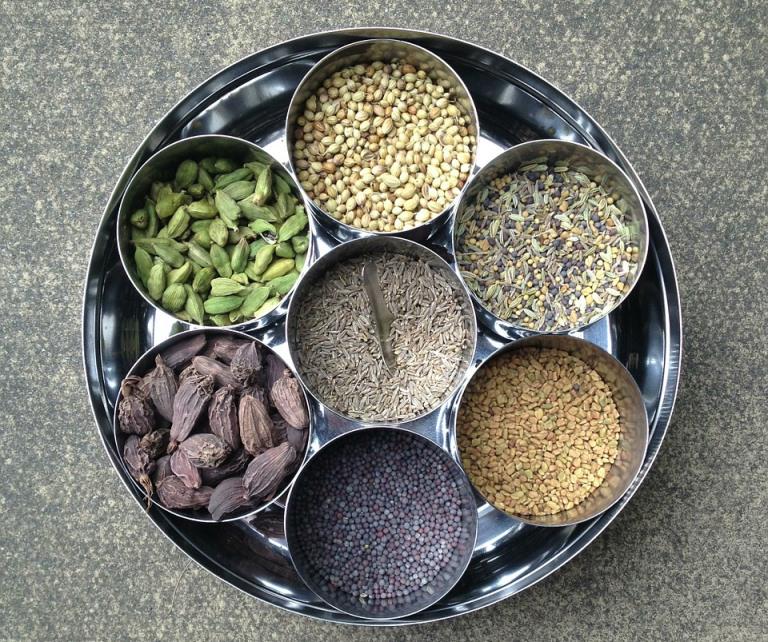
Ayurvedic diet emphasizes the inclusion of spices. Which ones to use, and whether to use them liberally or sparingly in your diet, will depend on your digestive type. Some spices are commonly used in Ayurveda for improving digestive health of all doshas.

healthy spices image

These are cumin, fennel, ginger, cardamom and coriander. The habit of chewing these spices after a meal has been deeply inculcated in Indian culture. If you go to India you will often see bowls of fennel seeds at the door of an Indian restaurant.  

They encourage their customers to chew some of these fennel seeds after eating or before they exit the restaurant. Several studies have already proven the benefits of these five spices.

Some of these benefits are:

   *Improved pancreatic enzyme activity
   *Prevent bloating and gas
   *Improved metabolism of fats and sugar
   *Act as free radical scavengers – antioxidants
   *Help maintain healthy weight
   *Promote better gut health
   *Promote faster elimination of wastes


Studies also show that these five spices work wonders in treating the underlying cause of digestive problems. They have also been found effective in simply stimulating the body’s ability to digest. They improve fat and sugar metabolism by increasing the production of bile acids.

The same group of spices also improves the flow of pancreatic enzymes. These spices contain active properties that work harmoniously with the body’s natural digestive intelligence.

They help improve digestive function by creating an environment conducive to the growth of good bacteria while boosting intestinal function. Ginger, in particular, is known for increasing the population of good microbes in our gut.


Ayurveda for Hair Loss

The causes of hair loss may vary from one person to another. Some cases of hair loss occur as a complication of a disease. It can also be due to the side effects of medications. Other causes of hair loss are chronic and excessive stress, acute illness, thyroid problems, high fever and sudden weight loss.

Hormone related hair loss occurs when hair follicles become increasingly sensitive to male hormones. A related reason can be an increased number of male hormone receptors that are located in the hair follicles. These factors have been inherited and are linked to the Pitta constitution.

Dietary Effects

The first step in treating hair loss is to identify its underlying cause. In most cases, unhealthy lifestyle coupled with hereditary factors trigger the onset of hair loss. If you think you have been eating too many foods that contribute to an excess or imbalance of Pitta, start eliminating or minimizing them.

In Ayurvedic medicine, hot climatic conditions result in increased Pitta dosha in the body. Other reasons that trigger an increase of Pitta dosha include excessive intake of hot and sharp foods, alcohol, coffee, tea and meat.

Over-consumption of spicy and salty foods can also trigger the same effects in the body. Eating foods that are high in oil, sodium, grease and acid will also exacerbate the Pitta composition in the body.

Balance Your Pitta Dosha

It is best to balance Pitta with the help of Pitta balancing herbs, such as asparagus and other bitter vegetables. Don’t forget the importance of eating foods that promote healthy hair growth.
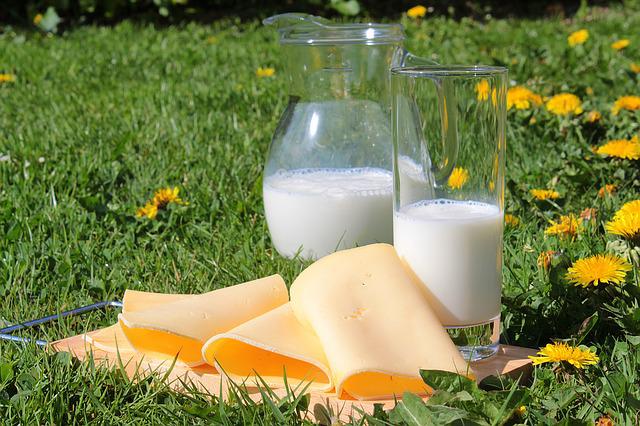
Your daily diet must include excellent hair foods. Eat more green leafy vegetables such as kale, arugula, collard greens, mustard greens and chard. Include sweet juicy fruits and fresh cheese, plus milk, almonds, fresh coconut, walnuts, pumpkin seeds and whole grains.

milk and cheese image


Herbs to Treat Hair Loss

There are some Ayurvedic herbs that can help you regrow your hair or slow the rate of loss:

Eclipta prostrata

This is known as one of the best herbs for treating hair loss. Its active compounds are claimed to even be capable of reversing hair loss. This herb also prevents the hair from greying. It can be ingested or applied externally as an oil.

A paste made from its leaves can be applied to the scalp in order to promote hair growth. When you apply the paste onto your scalp, leave it on for a few minutes before rinsing it off with clean water.

The dried form of this herb can be mixed with warm water. Once it cools, it can also be applied to the scalp in order to strengthen the hair follicles.

Indian Gooseberry

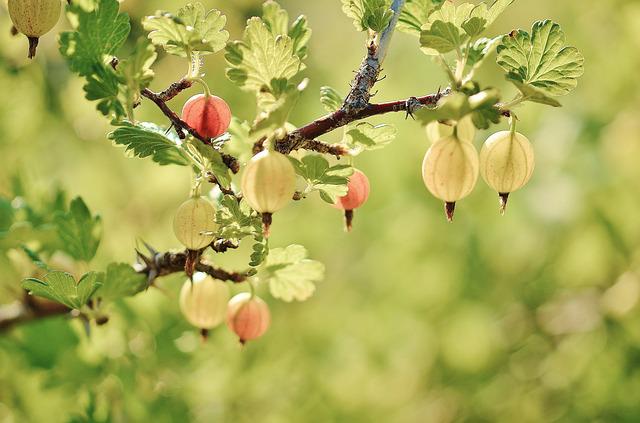
This herb contains a plethora of antioxidants, minerals and vitamins. It is also a vitamin C powerhouse. This herb acts as a hair tonic and conditioner.  It strengthens your hair and prevents it from greying.

healthy gooseberry image

When used regularly, it can also prevent dandruff. Make a hair pack of Indian gooseberry powder mixed with Brahmi powder, henna and curd. Apply it to your hair and leave it there for up to two hours. Then, rinse with clean water.

Centella asiatica

This herb is famous not only for its ability to promote healthy hair. It is also popular for its brain tonic effects. It enhances memory, concentration, intelligence and alertness. It is also beneficial for skin.


The oil of this herb will serve as a wonderful massage oil. A scalp massage can greatly energize the hair follicles while improving blood flow in the head region. When mixed with curd, it can also be used as hair pack. For a dandruff remedy, mix the oil of this herb with lemon juice and then apply onto scalp.

Neem

Neem has long been recognized as a wonder herb for treating hair loss and skin problems. Using neem on a regular basis will help strengthen the roots of the hair. It can also promote better blood circulation to the scalp. Neem can also be used for treating lice and dandruff.

A great thing about neem is that it helps fight against the damaging effects of excessive sebum, eczema and psoriasis. At the same time, it also promotes healthy hair growth.


Ayurveda for Healthy Joints

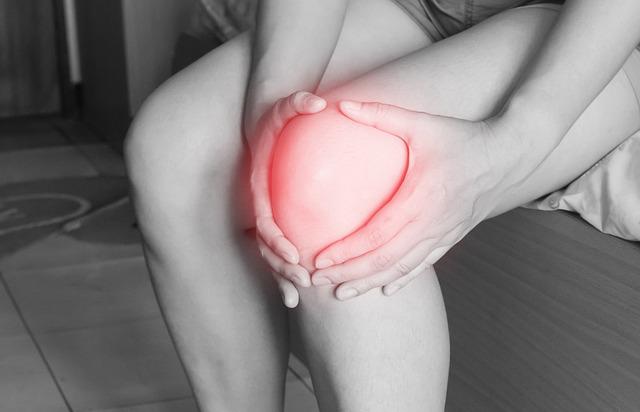
A joint is what connects the two bones together. These joints enable you to bend your elbows and knees. It is also what makes bending and wiggling your hips possible. If something goes wrong with your joints, you will start to have difficulty making certain movements.

Joint problems will vary from one sufferer to another. Some cases of joint problems can cause mild to moderate pain. Others suffer from severe pain so extreme that it becomes an agony for them to move the affected areas of their body.

healthy joints image

For quality of life and freedom from pain it is important to keep the joints as healthy and as free from any illnesses as possible.

In Ayurvedic medicine illnesses of the joints are classified into two types. These are:

1. Joint Pain Caused by Poor Nutrition

Poor nutrition leads to low bone density and joint weakness. If not remedied promptly, this can lead to reduced mobility. As the body is not getting the nutrients that it needs, it will continue to degenerate as time goes by.

2. Joint Problems Caused by Accumulation of Toxins

If your body has too many ama (Ayurvedic term for “toxins”) in the body as a product of incomplete digestion, your joints will become heavy and stiff. If these toxins remain in your joints for a long period of time, you are more likely to suffer from its painful swelling. When cold weather arrives, your pain and discomfort will worsen.
Further, Ayurvedic practitioners believe that joint problems can also be triggered by an imbalance of the doshas. Read on to find out why.

Excess Vata

Having too much Vata causes dryness and roughness. This can result in dry and poorly lubricated joints and the protective tissues in the joints will be adversely affected.

When this occurs, the joints will become painful to move. Other expressions of Vata imbalance are osteoarthritis, osteoporosis and bone deformity.

The sub-dosha of Vata which is called Vyana Vata plays a role in the body’s nerve impulses and circulation. For freedom from joint-related problems, it is equally important to keep Vyana Vata in balance.

scales image


By doing so, a person’s metabolism, circulation and body’s ability to absorb nutrients will all function well.

Excess Pitta

An excess of Pitta will manifest as hot and inflamed joints. This is common among individuals with gout. Another sign of excess Pitta is a person becoming very hot-headed. If this is the case, eating hot curries, drinking alcohol, coffee and consuming red meat should be reduced or avoided.

Excess Kapha

Swollen joints can signify an excess of Kapha in the body. This joint problem is often accompanied with stiffness. It occurs as a result of toxins or ama building up in the joints. In order to experience relief from this condition, the removal of toxins must first be prioritized.

Ama in the Joints

One complicated condition that arises as a result of ama buildup in the joints is arthritis. Due to this accumulation of toxins, the immune system becomes confused. Consequently, it attacks the joints itself resulting in painful and swollen joints.

This is the case of having excess Kapha, Pitta and ama. Before you ingest any oils for your joints, make sure to remove the toxin buildup first. Otherwise, you are only feeding the joints more toxins instead of reducing them.

The first step of a treatment plan where Kapha or Pitta imbalance is the culprit is to undergo an ama reducing regimen. This entails eating specific herbs that promote fasting, and other foods that stimulate the detoxification process of the body.

Joint Problems from Vata Imbalance

If the person only has Vata joint problems, direct oil treatment can be done right away because there is no buildup of toxins, and the problem will directly be a lack of lubrication. People with predominantly Vata constitution are more prone to experiencing joint problems.

Being 60 years old and above, which means the Vata stage of life, increases the likelihood of having joint problems. Those living in places which have high altitude, which is a Vata climate, also face a higher risk of suffering from joint health issues.

Exposing one’s self to too much stress, ingesting plenty of caffeine, sleeping too little and traveling a lot are living a Vata exacerbating lifestyle.

Lifestyle Tips for Joint Pain Relief Caused by Vata Excess

People with joint problems are advised to stick to a Vata-pacifying diet using these guidelines:

Make sure to include all six tastes in your daily diet.  These tastes are pungent, sweet, bitter, sour, salty and astringent. But, only eat a small

amount of pungent, astringent and bitter tasting foods. Otherwise, your body’s dryness and roughness will be exacerbated.

   *Eat more foods that help pacify the Vata. Examples of these are quinoa, amaranth and rye. Cook these in water and add some ghee to it.

   *Incorporate organic vegetables, sweet organic and juicy fruits into your diet.
   *Consume high-calcium vegetable foods on a regular basis. Flavor these with cumin, fenugreek, turmeric and ginger.

   *Caffeinated beverages and other acidic foods should be avoided.

It is also equally important to stick to Vata-pacifying routines such as the following:

   *Go to bed before 10 pm and wake up before 6 am.

   *Your main meal should be eaten close to midday.

   *Eat a light dinner early in the evening.

   *Engage in mild-exercise for at least thirty minutes.

   *Take time for meditation in order dissipate stress.

Ayurveda for Healthy Skin

Ayurveda emphasizes three ways to healthy skin – nourish, cleanse and moisturize. It may seem like a regular SOP (Standard Operating Procedure) for a beauty regimen, but the typical western method is not the Ayurveda way!

Instead of using commercial beauty soaps and other skin care products, achieving healthy skin the Ayurveda way is a lot different. Instead of filling your bathroom with skin care products that you bought from the store shelves, check your kitchen.

See if you’ve got the right herbs, legumes and flours needed for that Ayurvedic healthy skin without the side effects!

Ayurvedic beauty is not just superficial. You need to cultivate an inner balance for that genuinely beautiful skin inside and out. One way to do this is to first determine your skin type.

In Ayurveda, there are:

Three Different Types of Skin

Vata Skin

– characterized by dry, delicate, thin yet cool to the touch. It is highly sensitive to weather conditions. This skin type is easily dehydrated. Dry windy weather can bring about negative effects to this skin type. This type of skin is more prone to premature aging. If Vata is out of balance, this skin type has high tendency to become rough, flaky and dry.

Pitta Skin

– characterized by soft, fair and warm skin. It is a bit thicker than Vata skin. This skin type is more vulnerable to freckles. This skin type usually has plenty of moles, too. When imbalanced, Pitta skin will have acne, sun spots or rashes.

Kapha  Skin

– this skin type has all the qualities of earth and water. It is soft, cool, thick, oily, pale and more tolerant to the rays of the sun. It is less susceptible to the adverse effects of aging. But, this skin type is prone to having a dull complexion, excess oil, pimples, blackheads and enlarged pores.

Skin Care Tips for Your Type of Skin

skin care image

Kapha Skin Care

   *Since Kapha skin is more oily and thick, it is more likely to accumulate dirt and toxins beneath it. This is why a detox regime must be done on a regular basis. Internal and external detoxification is required to ensure better skin health.  

   *An external detox can be done through scrubbing the skin using bentonite clay. Herbal formulations should be used to detoxify the skin from within.

   *Deep fried foods and sugar laden foods and beverages must be avoided.

   *Treat yourself to a warm oil massage every day for improved circulation.

   *Choose organic fruits and vegetables. This is important to minimize ingesting more toxins that are otherwise eaten along with inorganic produce.

   *Exfoliating with a mud mask is beneficial. Ideally, do this at least once a week.

   *Exploit the benefits of warming spices. Make it a habit to add them to your daily diet. These warming spices help stoke your digestive fire, helping to prevent toxin accumulation in the body.

Vata Skin Care

   *People with Vata skin type must use skincare products that are highly nurturing. Examples of these are skin care products that contain essential oils and/or herbs.

The natural nourishing elements found in essential oils and herbs work best in rehydrating the Vata skin. They also have active compounds that help delay the onset of wrinkles and other signs of aging.

   *Do not forget the importance of sticking to your daily sleep and wake time schedule. Avoid skipping meals and exercise regularly.  These are crucial lifestyle habits that promote a holistic approach to keeping the skin and overall health functioning at an optimum level.

   *Eat more leafy greens, whole grains and drink organic milk.

   *Make sure to keep your body well hydrated by drinking lukewarm water.

   *In addition to lukewarm water, it is of benefit to consume sweet juicy fruits from time to time.

   *Use olive oil or ghee in your daily cooking for improved lubrication.

   *Undergoing a warm-oil massage is also very beneficial to a Vata skin care regimen.

oil massage image


Pitta Skin Care

   *Pitta skin needs to be taken care of by the use of cooling and nurturing skin care products. This skin type needs to be well-protected against the rays of the sun. Skin care treatments that require tanning or steaming for a longer period of time must be avoided.

   *Ayurvedic herbs that protect the skin from photosensitivity must be used.

   *The use of synthetic skin care cosmetics must be strongly avoided. Pitta’s sensitive skin can be easily damaged by the chemicals found in these synthetic skin care products.

   *Since Pitta skin already has a hot constitution, it must steer clear of hot and spicy foods. Otherwise, it will worsen the fiery constitution and cause skin breakouts.

   *It is good to consume sweet and juicy fruits.

   *When undergoing massage, make use of cooling herbal massage oils.

   *When cooking, fennel, licorice and other cooling spices will be of benefit.

   *Don’t forget your protective clothing when exposing yourself to the sun.  

Important Tips for All Skin Types

It is highly recommended that people eat whole, healthy foods whatever their skin type may be. Stay away from fried foods, refined sugar, salt, seafood, red meat, fatty and processed foods.

Exercising five times a week is also important for achieving healthy skin. When exercising, it beneficial to allow sweat to form along the spine and under the arms. This is because sweating is beneficial for releasing toxins, calming the senses and in improving the circulation.

Sleep is another indispensable factor for having healthy skin. Adhering to a regular sleep schedule is imperative for all health, including the skin. Ideally, an individual should sleep and wake up at the same times every day.

healthy sleep image

Conclusion

There are many health and medicine doctrines or protocols that have served different societies for centuries. Many of these have been ignored or suppressed by many practitioners of western medicine, as they did not conform to their narrow view of health and disease, either in diagnosis or treatment.

More and more people are seeking answers to their health issues where traditional (western/modern) medicine has failed to properly resolve those problems. For some of those, their treatment has been no cure at all, and left them feeling worse than when they started.

In this age of enlightenment, where masses of information is at our fingertips that once never was, many more are seeking to make proactive choices to maintain and improve their health, before any problems arise.

It is almost impossible to not be excited by the possibilities that learning about the principles of Ayurvedic Medicine provides. Simply knowing your own dominant dosha and following the dietary recommendations for it will be a huge step up in health for most people.

A little learning beyond that, about all three main doshas, and how an imbalance of any can cause discomfort, ill-health and disease, will provide a blueprint that if followed, will provide the best possible foundation for health and wellness.

error: Content is protected !!